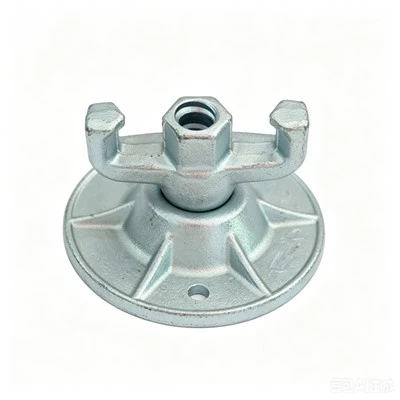

As a supplier of Forged Combi Anchor Nuts, I often receive inquiries from customers about the proper way to remove these nuts. In this blog post, I'll share some detailed and practical methods for removing a Forged Combi Anchor Nut, based on my years of experience in the industry.
Understanding the Forged Combi Anchor Nut
Before diving into the removal process, it's essential to understand what a Forged Combi Anchor Nut is. These nuts are designed to provide a secure and reliable connection in various applications, especially in construction and formwork. They are forged for strength and durability, which means they can be challenging to remove.
The Forged Combi Anchor Nut is often used in conjunction with other components such as Forged Anchor Nut with Plate, Rectangle Combi Anchor Nut, Machining Weldable Hex Nut, Two Claw Round Plate Wing Nut, and Two Lug Disc Wing Nut. Understanding the context in which the nut is used can help in determining the best removal method.
Tools Required for Removal
To remove a Forged Combi Anchor Nut, you'll need a few essential tools:
- Wrenches: A set of adjustable wrenches or socket wrenches that fit the size of the nut. Make sure the wrenches are in good condition to prevent slipping.
- Hammer: A medium-sized hammer can be used to gently tap the nut if it's stuck.
- Penetrating Oil: This helps to loosen the rust and corrosion that may be holding the nut in place.
- Screwdriver: A flathead or Phillips screwdriver may be needed to remove any additional fasteners or covers.
- Safety Gear: Wear safety glasses and gloves to protect yourself from any flying debris or sharp edges.
Step-by-Step Removal Process
Step 1: Assess the Situation
Before attempting to remove the nut, take a close look at the installation. Check for any signs of damage, rust, or corrosion. If the nut is severely rusted, it may require more extensive treatment. Also, make sure there are no other components or structures that could be affected by the removal process.
Step 2: Apply Penetrating Oil
Spray a generous amount of penetrating oil around the base of the nut. Let the oil sit for at least 15 - 20 minutes to allow it to seep into the threads and loosen any rust or debris. You can tap the nut gently with a hammer during this time to help the oil penetrate deeper.
Step 3: Use the Right Wrench
Select the appropriate wrench for the size of the Forged Combi Anchor Nut. If using an adjustable wrench, make sure it's tightened securely around the nut to prevent slipping. Place the wrench on the nut and apply steady pressure in a counterclockwise direction. If the nut doesn't budge, try using a longer wrench for more leverage.
Step 4: Tap the Nut
If the nut is still stuck after applying the wrench, use a hammer to tap the nut gently. Start by tapping the side of the nut in a counterclockwise direction. This can help to break the rust and loosen the threads. Be careful not to hit the nut too hard, as this could damage the surrounding structure.
Step 5: Remove Additional Fasteners
If there are any additional fasteners or covers that are holding the nut in place, use a screwdriver to remove them. This may include screws, bolts, or clips. Make sure to keep track of all the removed fasteners for reinstallation later.
Step 6: Keep Applying Pressure
Continue to apply pressure with the wrench in a counterclockwise direction. If the nut starts to turn, keep turning it slowly until it is completely removed. If the nut still won't turn, you may need to repeat the steps of applying penetrating oil and tapping the nut.
Step 7: Clean the Area
Once the nut is removed, clean the area where the nut was installed. Use a wire brush to remove any remaining rust or debris. This will help to ensure a clean and smooth surface for future installations.
Troubleshooting
In some cases, removing a Forged Combi Anchor Nut can be more challenging. Here are some common issues and solutions:
Nut is Seized
If the nut is completely seized and won't turn, you may need to use a more aggressive method. One option is to use a torch to heat the nut. The heat will cause the metal to expand, which can help to break the rust and loosen the threads. However, be careful when using a torch, as it can damage the surrounding structure. Another option is to use a nut splitter. A nut splitter is a tool that cuts through the nut, allowing it to be removed.
Nut is Stripped
If the threads on the nut are stripped, it may be difficult to remove. In this case, you can try using a thread chaser to clean the threads. If the damage is severe, you may need to replace the nut.
Surrounding Structure is Damaged
If the removal process causes damage to the surrounding structure, it's important to repair it as soon as possible. This may involve welding, patching, or replacing the damaged parts.
Importance of Proper Removal
Proper removal of a Forged Combi Anchor Nut is crucial for several reasons. First, it ensures the safety of the workers involved in the removal process. Using the wrong tools or methods can lead to accidents and injuries. Second, it helps to prevent damage to the surrounding structure. A poorly removed nut can cause cracks, dents, or other types of damage that can affect the integrity of the structure. Finally, proper removal allows for easy reinstallation of the nut or replacement with a new one.


Conclusion
Removing a Forged Combi Anchor Nut requires patience, the right tools, and the proper techniques. By following the steps outlined in this blog post, you can safely and effectively remove these nuts. If you have any further questions or need assistance with the removal process, feel free to contact us. As a trusted supplier of Forged Combi Anchor Nuts and related products, we are here to help you with all your formwork accessory needs. Whether you're looking for Forged Anchor Nut with Plate, Rectangle Combi Anchor Nut, Machining Weldable Hex Nut, Two Claw Round Plate Wing Nut, or Two Lug Disc Wing Nut, we have the expertise and products to meet your requirements. Contact us today to start a procurement discussion and find the best solutions for your projects.
References
- "Handbook of Fastening Technology" by John H. Bickford
- "Construction Materials and Methods" by Edward Allen and Joseph Iano