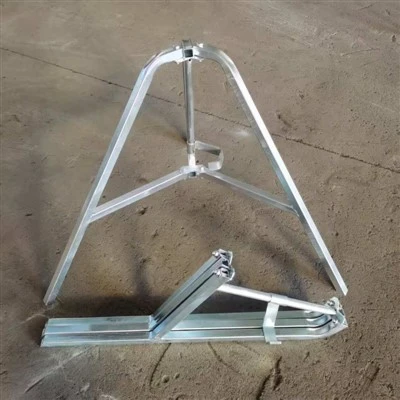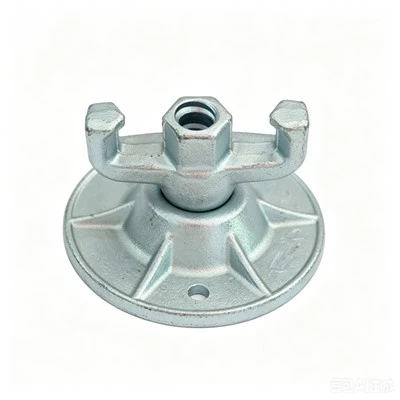

As a trusted supplier of Scaffold Rosette Clamps, I often receive inquiries about the maximum angle at which these essential components can be used. Understanding the limitations and capabilities of Scaffold Rosette Clamps is crucial for ensuring the safety and efficiency of any scaffolding project. In this blog post, I will delve into the technical aspects of Scaffold Rosette Clamps, explore the factors that influence their maximum usable angle, and provide practical insights for optimal usage.
Understanding Scaffold Rosette Clamps
Scaffold Rosette Clamps are a type of connection fitting used in scaffolding systems to secure horizontal and vertical tubes at various angles. They are designed to provide a strong and reliable connection between the tubes, allowing for the construction of stable and safe scaffolding structures. The rosette design of these clamps features a circular plate with multiple holes, which allows for easy adjustment and attachment of tubes at different angles.
One of the key advantages of Scaffold Rosette Clamps is their versatility. They can be used in a wide range of scaffolding configurations, including straight runs, bends, and corners. This makes them suitable for a variety of construction projects, from small residential renovations to large commercial buildings.
Factors Affecting the Maximum Angle
The maximum angle at which a Scaffold Rosette Clamp can be used is influenced by several factors, including the design of the clamp, the quality of the materials used, and the load requirements of the scaffolding structure. Let's take a closer look at each of these factors:
Design of the Clamp
The design of the Scaffold Rosette Clamp plays a crucial role in determining its maximum usable angle. Most rosette clamps are designed to allow for a range of angles, typically between 0 and 45 degrees. However, some clamps may have a wider range of adjustability, while others may be more limited.
The shape and size of the rosette plate, as well as the number and arrangement of the holes, can also affect the maximum angle. Clamps with larger rosette plates and a greater number of holes generally offer more flexibility in terms of angle adjustment.
Quality of the Materials
The quality of the materials used in the construction of the Scaffold Rosette Clamp is another important factor. High-quality clamps are typically made from strong and durable materials, such as steel or aluminum, which can withstand the stresses and loads imposed on the scaffolding structure.
Clamps made from inferior materials may be more prone to deformation or failure, especially when used at extreme angles. It is important to choose clamps that meet or exceed the relevant industry standards to ensure their safety and reliability.
Load Requirements
The load requirements of the scaffolding structure are perhaps the most critical factor in determining the maximum angle at which a Scaffold Rosette Clamp can be used. The greater the load, the more stress will be placed on the clamps, and the more limited the usable angle may be.
When designing a scaffolding structure, it is essential to calculate the expected loads and ensure that the clamps are capable of withstanding these loads at the intended angles. This may involve consulting with a structural engineer or referring to the manufacturer's specifications.
Determining the Maximum Angle
In general, the maximum angle at which a Scaffold Rosette Clamp can be used is determined by the manufacturer. Most manufacturers will provide detailed specifications and guidelines regarding the maximum usable angle for their clamps. These specifications are typically based on rigorous testing and analysis to ensure the safety and performance of the clamps.
It is important to note that the maximum angle specified by the manufacturer is often a conservative estimate to account for factors such as variations in materials, manufacturing processes, and usage conditions. In practice, the actual maximum angle may be slightly lower or higher depending on the specific circumstances.
Practical Considerations for Optimal Usage
When using Scaffold Rosette Clamps, it is important to follow best practices to ensure their optimal performance and safety. Here are some practical considerations:
Follow the Manufacturer's Instructions
Always refer to the manufacturer's instructions and guidelines when using Scaffold Rosette Clamps. This includes information on the maximum usable angle, installation procedures, and maintenance requirements. Following these instructions will help to ensure that the clamps are used correctly and safely.
Inspect the Clamps Regularly
Before each use, inspect the Scaffold Rosette Clamps for any signs of damage or wear. Look for cracks, deformation, or loose parts, and replace any damaged clamps immediately. Regular inspections will help to prevent failures and ensure the ongoing safety of the scaffolding structure.
Use the Right Tools and Equipment
When installing Scaffold Rosette Clamps, use the appropriate tools and equipment. This may include wrenches, spanners, or other tightening tools. Using the right tools will help to ensure that the clamps are tightened to the correct torque and that the connection is secure.
Consider the Load Distribution
When designing the scaffolding structure, consider the load distribution and ensure that the clamps are placed in positions where they can effectively support the loads. This may involve using additional clamps or supports in areas of high stress or where the load is concentrated.
Related Scaffolding Accessories
In addition to Scaffold Rosette Clamps, there are several other scaffolding accessories that can enhance the functionality and safety of your scaffolding system. Here are some examples:
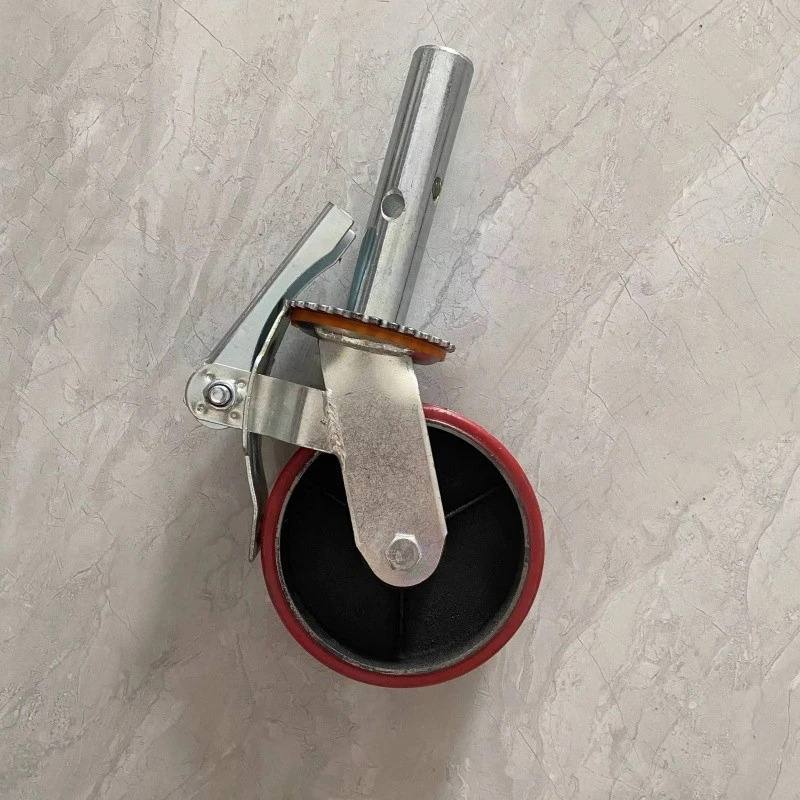
- Scaffolding Wheels: These wheels allow for easy movement of the scaffolding structure, making it more convenient and efficient to use.
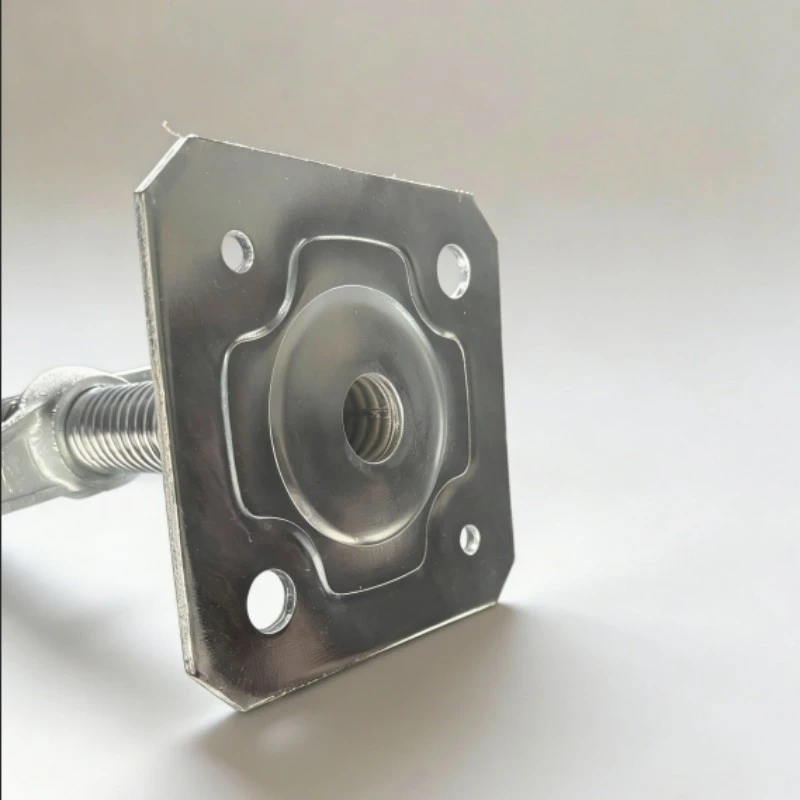
- Screw Jack With Swivel Base Level Jacks: These jacks are used to adjust the height and level of the scaffolding structure, ensuring that it is stable and secure.
- Screw Jack base, adjustable base jack: This type of base jack provides a stable foundation for the scaffolding structure and can be adjusted to accommodate uneven terrain.
- Hollow Screw Jack: Hollow screw jacks are lightweight and easy to install, making them a popular choice for many scaffolding projects.
- Scaffold Screw Parapet: These parapets are used to provide additional safety and protection on the edge of the scaffolding structure.
Conclusion
In conclusion, the maximum angle at which a Scaffold Rosette Clamp can be used is determined by several factors, including the design of the clamp, the quality of the materials used, and the load requirements of the scaffolding structure. By understanding these factors and following best practices for usage, you can ensure the safety and efficiency of your scaffolding project.
If you are in the market for high-quality Scaffold Rosette Clamps or other scaffolding accessories, I encourage you to reach out to me. As a leading supplier in the industry, I can provide you with the products and expertise you need to complete your project safely and successfully. Contact me today to discuss your specific requirements and to explore the options available.
References
- Industry standards for scaffolding and related components.
- Manufacturer's specifications for Scaffold Rosette Clamps.
- Engineering textbooks and literature on structural design and analysis.