Scaffolding can be categorized into various types based on its structural form, material selection, and applicable scenarios. These types differ significantly in load-bearing characteristics, erection methods, mobility, and economy. Correct identification helps in selecting the appropriate type to meet construction needs.
By Structural Form:
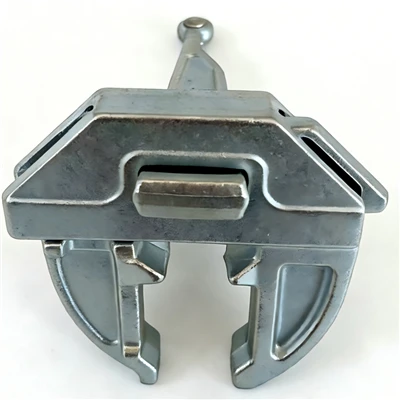
- Coupler-type scaffolding: Scaffolding uses steel pipes connected by rotatable metal couplers. The joints are flexible, adaptable to complex building outlines and irregular structures, but the erection speed is relatively slow and requires higher worker skills.
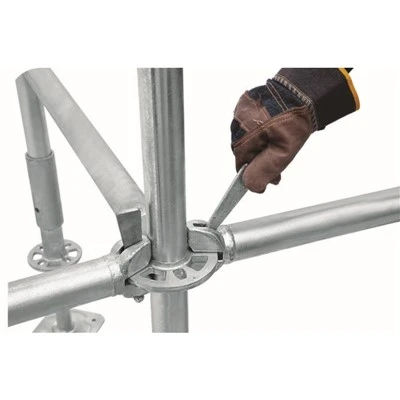
- Cup-lock scaffolding: Scaffolding uses cup-shaped joints and pin locking. The joints are rigid, and assembly is quick. It is suitable for large-area, evenly loaded flat work, such as factory and stadium main structure construction.
- Portal scaffolding: Composed of prefabricated frame units, shaped like "doorways, " it offers high erection and dismantling efficiency and is commonly used for interior decoration, short-term maintenance, and low-rise external scaffolding.
- Attached lifting scaffolding: Scaffolding is fixed to the building structure and can be electrically raised and lowered according to the construction progress. It is specifically designed for continuous work on the exterior walls of high-rise buildings, reducing the space occupied by ground-mounted scaffolding.
By Material
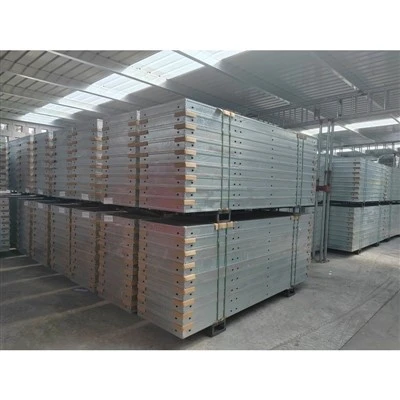
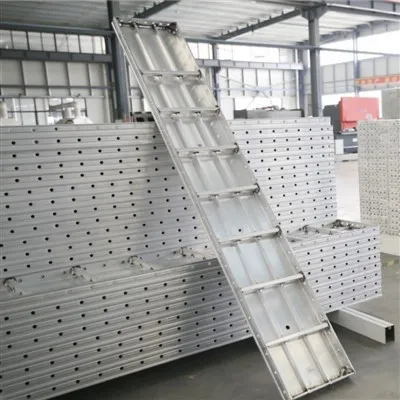
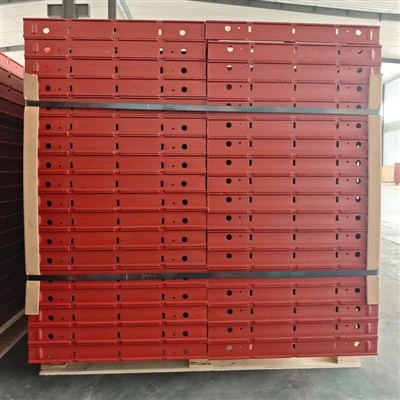
Steel pipe scaffolding boasts high strength and load-bearing capacity, suitable for heavy-duty and high-rise operations, but its weight makes it difficult to transport. Aluminum alloy scaffolding is lightweight and corrosion-resistant, facilitating frequent assembly and disassembly for indoor use, but its unit cost is higher, primarily used for precision decoration or space-constrained applications. Composite material or fiberglass scaffolding offers advantages in specific corrosion-resistant environments, but its application range is narrower.
By Function
Ordinary ground-mounted scaffolding is erected from the ground and is suitable for general building facade construction. Cantilevered scaffolding extends outwards through the building structure and can be used when ground-level erection is not possible (e. g. , near deep foundation pits on streets). Mobile scaffolding is equipped with wheels, facilitating short-distance relocation indoors or in confined spaces, improving the efficiency of localized operations.
By Erection and Dismantling Efficiency
Frame scaffolding and aluminum alloy scaffolding, due to their standardized components and simple connection methods, offer fast assembly and dismantling speeds, suitable for projects with tight schedules or requiring frequent relocation. Coupler-type and cup-lock scaffolding are more stable under large spans and high loads, but take longer to assemble and dismantle.
Based on economic efficiency and reusability, steel pipe scaffolding has a lower initial investment and can be reused for multiple projects, resulting in superior overall cost. Aluminum alloy scaffolding has a higher unit price but a longer lifespan and requires less maintenance, reducing the frequency of replacement over long-term use.
Overall, the differences in structure, materials, function, efficiency, and economy among various types of scaffolding determine their optimal application boundaries. When selecting a type, factors such as project height, load, site conditions, and construction period requirements should be considered to maximize their advantages and ensure a balance between safety and efficiency.