Scaffolding is widely used in construction, maintenance, and installation operations. Different types differ in their structural forms, material selection, and applicable scenarios. Classifying scaffolding by material, construction method, and erection method helps users quickly match the appropriate type, improving construction efficiency and safety.
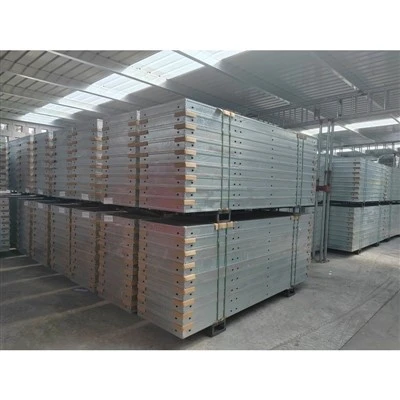
Steel Pipe Scaffolding: Assembled from ordinary carbon steel pipes and couplers, it boasts strong load-bearing capacity and good overall integrity, adapting to large spans and heavy loads. It is widely used in the main structures of high-rise buildings and bridge construction. Its disadvantage is its relatively large weight and labor-intensive assembly and disassembly.
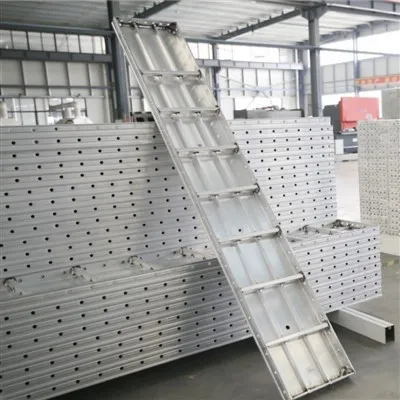
Aluminum Alloy Scaffolding: Using lightweight aluminum alloy profiles, it weighs only about one-third of steel scaffolding. It is corrosion-resistant, easy to transport, and suitable for interior decoration, exterior wall cleaning, and space-constrained locations. However, its unit cost is higher.
Wooden Scaffolding: Originally constructed using wood, it is readily available but has poor durability and weak fire resistance. It is now only used for a few temporary or small-scale projects.
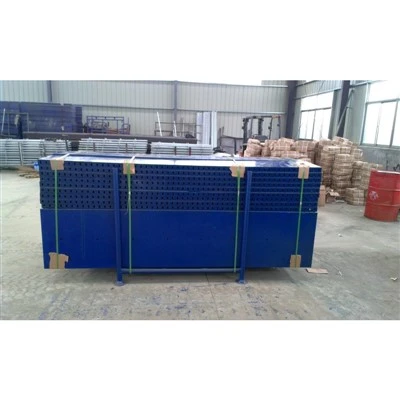
Portal Scaffolding: Consists of standardized portal frame units connected by horizontal and diagonal braces. It offers quick assembly, even load distribution, and is suitable for large-area surface work such as floor slab pouring and exterior wall plastering (Example data: Single portal frame width approximately 1.2m, height adjustable).
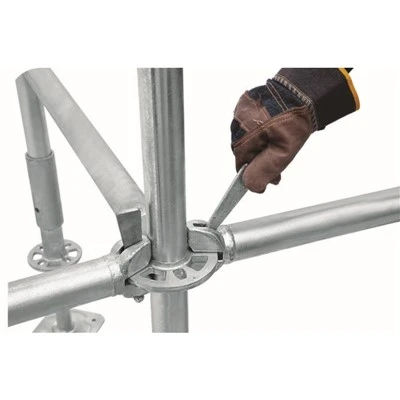
Bowl-lock Scaffolding: Uses bowl-shaped joints and pins for rigid connections. The joints offer good shear and bending resistance, commonly used in high-rise building scaffolding and support systems. Its overall stability is superior to coupler-type scaffolding.
Coupler-type Steel Pipe Scaffolding: Highly flexible, it can be arranged in any size and shape to adapt to complex structures, but its erection quality depends on the tightness of the couplers.
Ground-supported Scaffolding: Directly erected on the ground or floor slabs, it has a simple structure and direct load-bearing capacity, suitable for low-rise and mid-rise buildings.
Cantilevered scaffolding: Extends outwards from the building structure using steel sections or embedded parts, requiring no ground-level land occupation. Suitable for construction in confined spaces or on the upper levels of high-rise buildings. Attached lifting scaffolding: Attached to the building structure and lifted as a whole by hydraulic or electric devices, it can rise with the building's height. Often used for the exterior facade construction of super high-rise buildings, reducing repeated erection and dismantling.
The selection of materials and types should be determined comprehensively based on the project height, load requirements, site conditions, and construction period. For heavy-duty, high-rise buildings, steel pipe or cup-lock scaffolding is preferred; for limited space or frequent relocation, aluminum alloy is preferred; for special shapes or confined spaces, cantilevered and attached lifting scaffolding can be considered. Simultaneously, erection specifications must be followed and necessary safety precautions must be in place to ensure operational safety.
Overall, there is a wide variety of scaffolding types, each complementing the others in performance and applicability. Scientific identification and selection are prerequisites for achieving safe and efficient construction.