Scaffolding is not a single component, but a spatial load-bearing and working platform system composed of various functional parts combined according to certain rules. Understanding its structural composition and construction principles is helpful for correct selection, erection, and safety management.
I. Basic Components
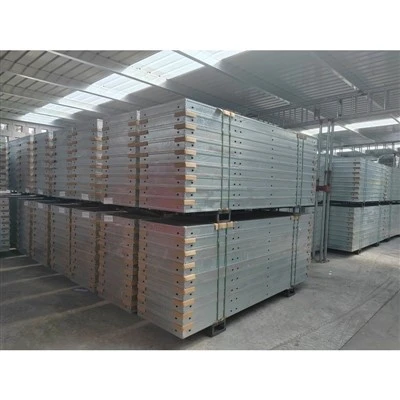
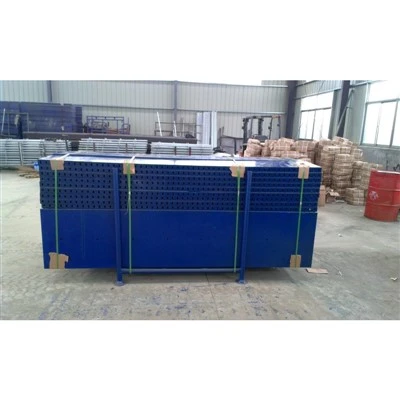
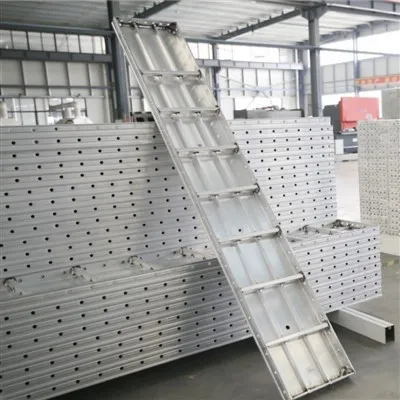
The main structure of scaffolding generally includes uprights, horizontal bars, diagonal braces, footboards, bases, and adjustable supports. Uprights bear all vertical loads and transfer force to the foundation or support points; horizontal bars connect the uprights horizontally, forming a stable grid frame and serving as the support for the working surface and guardrails; diagonal braces (also known as scissor braces) are arranged diagonally to enhance overall lateral and torsional stiffness; footboards are laid on the horizontal frame, providing a flat surface for standing and placing materials; bases and adjustable supports are used to adjust the height of the uprights and distribute bottom pressure to prevent uneven settlement.
II. Connection Methods and Force Transmission Paths
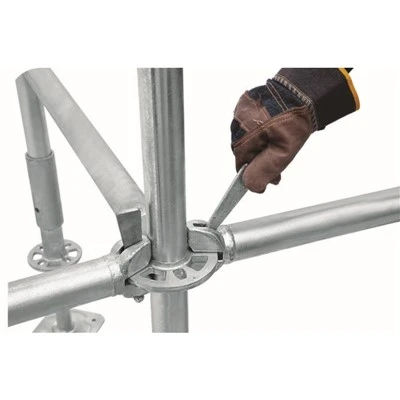
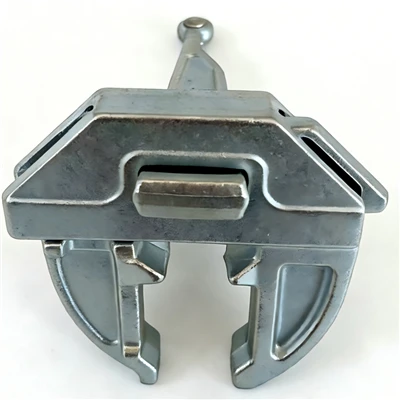
The connection methods for scaffolding made of different materials vary: steel pipe scaffolding often uses couplers for fastening, relying on friction and mechanical interlocking to transfer loads; cup-lock scaffolding uses cup-shaped nodes and pins for locking, achieving rapid assembly and maintaining a rigid connection; portal scaffolding uses slots and bolts in the portal frame units for fixing, forming a reusable and reassembleable frame. The load is transferred step-by-step from the footboards → horizontal bars → vertical bars, finally entering the foundation or building structure through the base or support system. The arrangement of diagonal braces creates a triangular stable system in both the plan and elevation, effectively suppressing instability.
III. Auxiliary Structures and Safety Devices
In addition to the main load-bearing components, scaffolding is also equipped with auxiliary structures such as guardrails, toe boards, safety nets, and ladders. Guardrails are installed on the outside of the working platform, generally at least 1.2m high, with a horizontal bar in the middle to prevent forward leaning; toe boards prevent small tools or materials from slipping; safety nets are hung along the exterior facade to intercept falling objects and people; ladders or ramps ensure safe passage up and down. Wall ties reliably connect the scaffolding to the building, limiting horizontal displacement and improving wind load resistance .
IV. Structural Layout Principles
The layout must ensure vertical uprights, horizontal horizontals, and aligned nodes. The grid size should meet the load-bearing and stability requirements. Load calculations should consider the combined effects of construction personnel, materials, equipment, and wind loads, and allow sufficient safety margin. Regularly check for bent members, loose fasteners, and rusted nodes, and replace or reinforce them promptly.
Overall, the scaffolding structure is a stable spatial system composed of vertical, horizontal, and diagonal components working together. Each component has a clear division of labor and reliable connections, jointly achieving the comprehensive functions of load-bearing, operation, and safety protection. Understanding its structural principles can lay the foundation for safe and efficient construction.