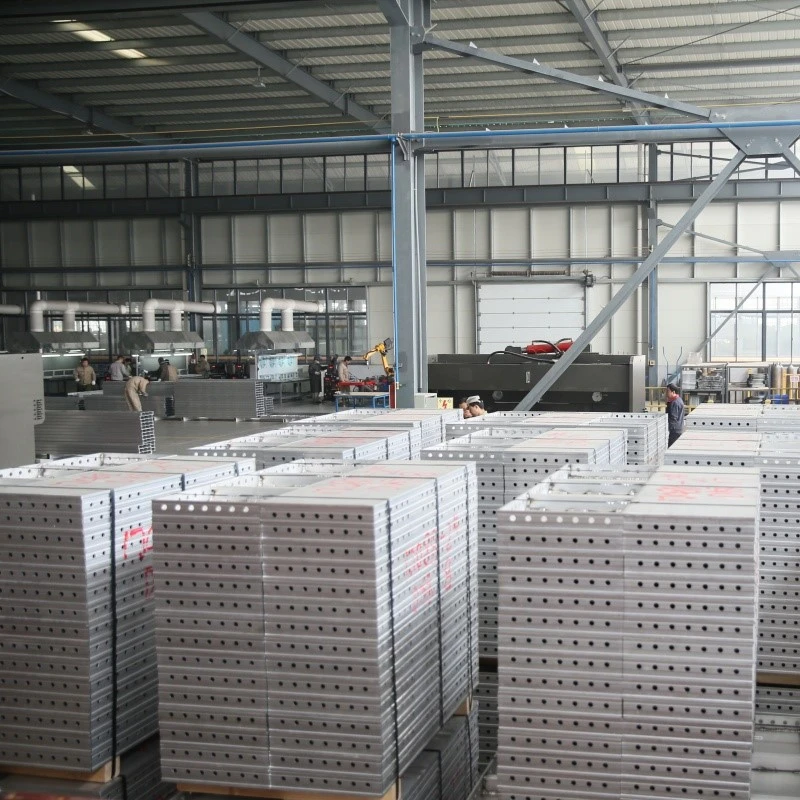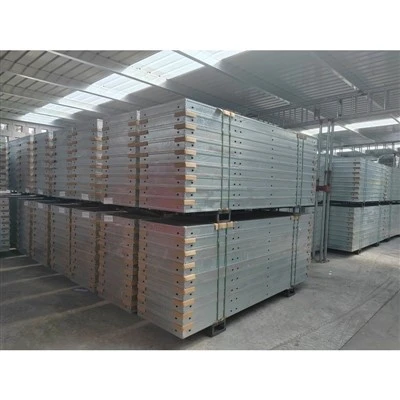
The design principle of aluminum alloy formwork is based on a balance of material properties, construction requirements, and economic benefits. Through scientific construction and parameter configuration, the formwork achieves a comprehensive performance that meets concrete forming accuracy requirements while being lightweight, portable, stable, durable, and recyclable. Its essence lies in translating the physical advantages of aluminum alloy into controllability and reliability during construction.
The design begins with the material properties. Aluminum alloy has low density and high specific strength, which reduces its weight while ensuring sufficient rigidity, facilitating manual handling and high-altitude installation. Its excellent corrosion resistance allows it to adapt to various climates and working environments, but its relatively large coefficient of thermal expansion necessitates reserving space for temperature deformation in the design to avoid misalignment or connection failure due to thermal expansion and contraction. Material selection often considers the balance between the plasticity and strength of 6-series alloys, taking into account ease of processing and long-term performance stability.
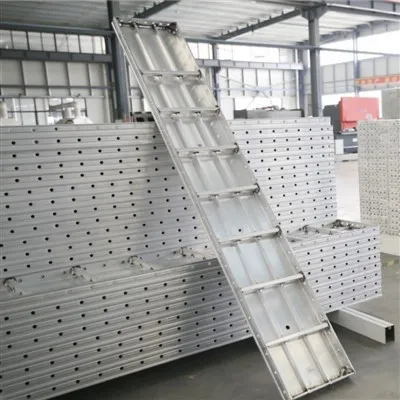
The structural design follows the principles of rational stress distribution and modularity. The formwork system consists of panels, ribs, frames, and supporting connectors. The panels bear the lateral pressure of the concrete and are responsible for surface shaping, while the ribs and frames enhance the overall bending and torsional stiffness. The design must determine the panel thickness and rib spacing based on the pouring height and the concrete lateral pressure calculation model to control deformation within specified limits. Modular design allows walls, beams, and columns of different specifications to share standard units, reducing irregular fabrication and improving on-site assembly efficiency.
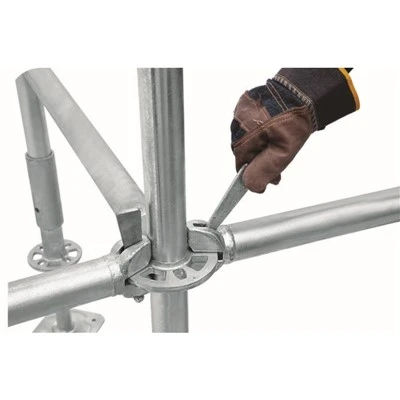
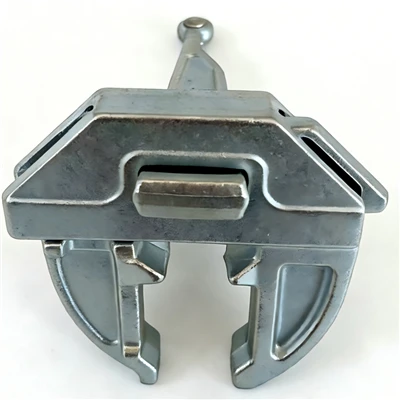
Node and connection design emphasizes reliability and convenience. Connections often employ a combination of locks, bolts, and locating pins, ensuring assembly accuracy while facilitating quick assembly and disassembly. Nodes should distribute the stress path to avoid local buckling caused by single-point overload. The layout of the support system must be verified in conjunction with the formwork to ensure stability under construction loads and wind loads, preventing overturning or instability.
Usage and turnover factors are also incorporated into the design. Panel surfaces often have pre-designed draft angles and micro-textures to reduce concrete adhesion and facilitate smooth demolding. Reinforced edges and corners, as well as areas prone to collisions, incorporate ribs or corner protectors to slow down damage accumulation. The overall structure prioritizes ease of cleaning and maintenance, making maintenance cycles and lifespan prediction more predictable.
In summary, the fundamental design philosophy and mechanical basis of aluminum alloy formwork leverage the material's inherent advantages of being lightweight, strong, and corrosion-resistant. Through rational structural configuration and parameter control, this translates into high precision, high efficiency, and high durability during construction, thereby supporting the continuous advancement of modern industrialized and standardized construction.