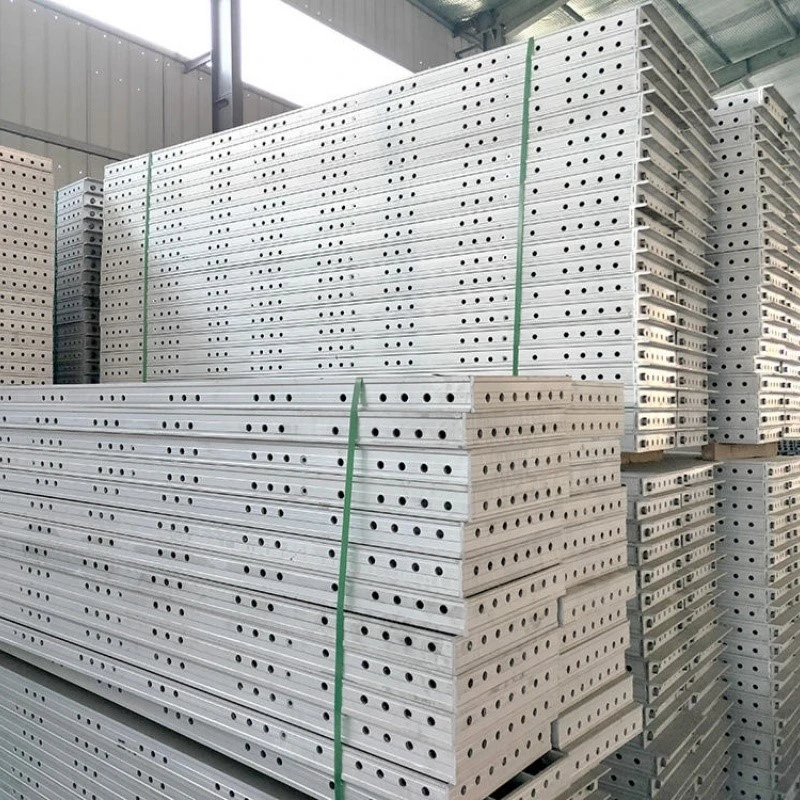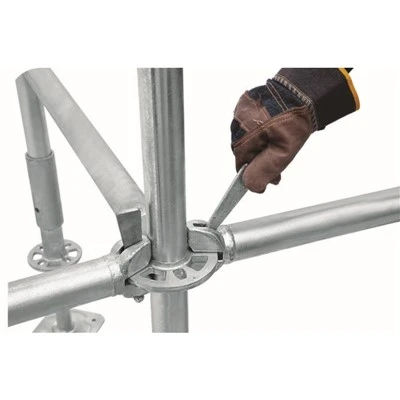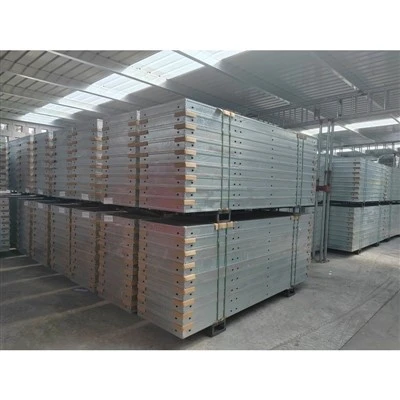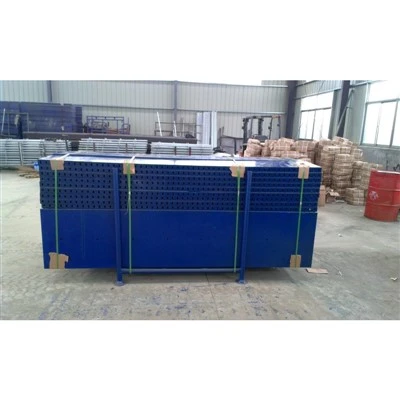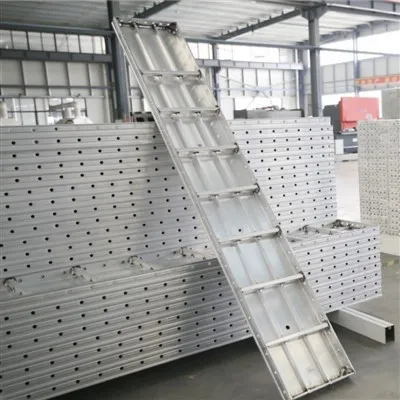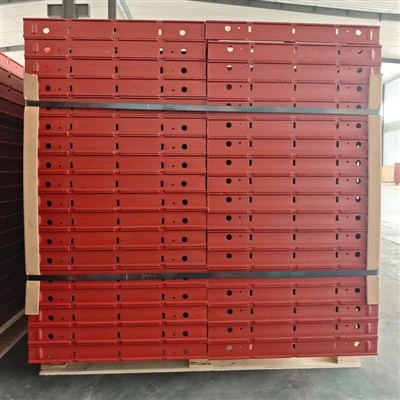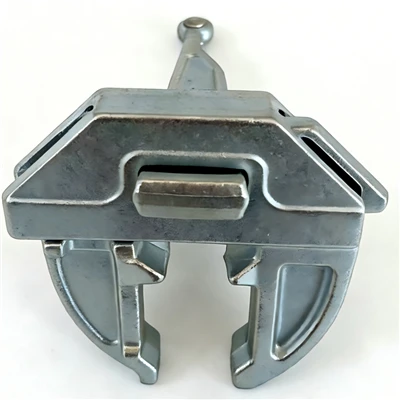
The aluminum alloy formwork industry is entering a new stage of development with the advancement of industrialized construction and green building. This trend reflects a deep integration of technological upgrades, application expansion, and sustainable development concepts. Driven by both rising labor costs and increasing engineering quality requirements, the industry is gradually shifting from single-product supply to comprehensive solutions that are systematic, intelligent, and low-carbon.
Materials and manufacturing processes are evolving towards high performance and precision. New-generation aluminum alloy formulations, while maintaining lightweight and high strength, have improved weather resistance and wear resistance, better enabling them to cope with complex environments and high-frequency turnover. Processing technologies such as CNC cutting, laser welding, and surface micro-arc oxidation have been introduced, resulting in more stable dimensional accuracy and surface quality of the formwork, reducing on-site finishing time, and improving assembly efficiency. Some companies are beginning to explore hybrid structures combining composite materials and aluminum alloys to achieve superior rigidity and durability in specific areas.
Application scenarios continue to expand and become more segmented. While traditional building construction remains the main market, aluminum alloy formwork is gaining increasing favor in bridges, tunnels, pipe corridors, and prefabricated structures due to its advantages in forming precision and reusability. The demand for lightweight and rapid assembly in large public buildings and super high-rise projects is driving the development of formwork systems towards larger panels and higher integration to reduce seams and improve overall rigidity. The increasing emphasis on environmentally friendly and recyclable building materials in overseas markets is also creating growth opportunities for exported aluminum alloy formwork.
Intelligent and digital management is becoming an important trend. Seamless integration of BIM models and formwork design software enables full-process visualization and data linkage from detailed design to production, processing, and on-site installation, reducing mismatch rates and shortening construction periods. Some projects are piloting the embedding of QR codes or RFID tags on formwork to achieve real-time tracking of usage frequency, maintenance records, and location status, providing a basis for refined scheduling and lifespan assessment.
Green and low-carbon concepts are deeply integrated into the industry. The high turnover characteristics of aluminum alloy formwork align with the goal of reducing wood consumption and construction waste. The industry is further promoting standardized design and the use of recycled aluminum to reduce production energy consumption and carbon footprint. With the advancement of circular economy policies, the proportion of recycled and remanufactured old formwork is expected to increase, forming a closed-loop material utilization model.
Overall, the future development of the aluminum alloy formwork industry will revolve around high-performance materials, intelligent construction, diversified application scenarios, and low-carbon circularity, helping the construction industry improve quality and efficiency while building a more sustainable industrial ecosystem.