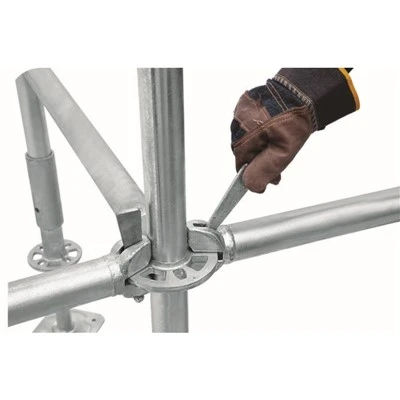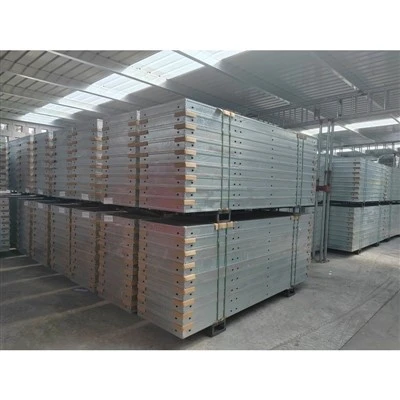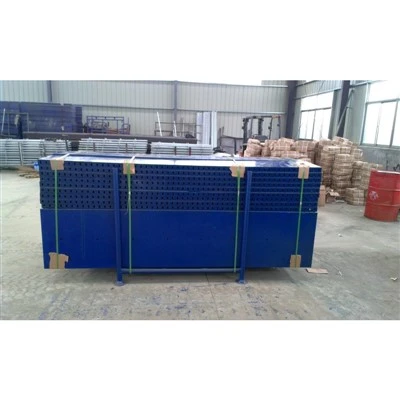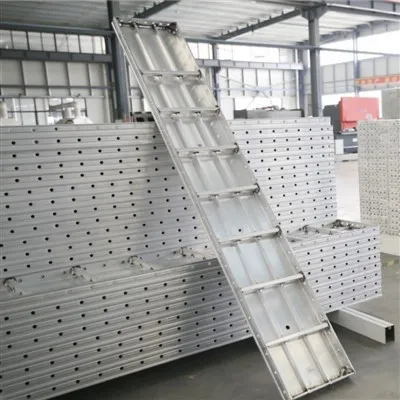
The role of scaffolding in construction engineering extends far beyond simply providing a platform for working at height. It serves as a crucial link between ground-level and high-altitude construction, and is fundamental for ensuring safety, improving efficiency, and enabling diverse work operations. With the increasing verticality and height of modern engineering projects, many processes cannot be carried out without reliable scaffolding, making it difficult to balance quality and schedule.
Safety is paramount for scaffolding. Working at height inherently carries the risk of falls and falling objects. Scaffolding, with its stable structural system and continuous protective measures, transforms uncontrollable spaces into workable and protected environments. A well-designed structure can evenly distribute loads, resist wind loads and construction vibrations, while the combination of guardrails, scaffold boards, and safety nets forms multiple lines of defense, significantly reducing the probability of personnel injury and equipment damage. Numerous engineering statistics show that projects using scaffolding correctly have a significantly lower fall-from-height accident rate than those lacking effective working platforms, directly demonstrating its irreplaceable role in life protection.
In terms of construction efficiency, scaffolding makes it possible for multiple trades to proceed simultaneously at the same height. It covers the required work surface in one go, eliminating the need for frequent equipment relocation or the construction of temporary platforms, resulting in more compact work processes. Adjustable or movable scaffolding can flexibly change height and position according to the project progress, maintaining continuous operation and shortening the construction period. For projects requiring high stability of the work surface, such as facade decoration, curtain wall installation, and roof waterproofing, the stable platform provided by scaffolding allows construction workers to focus on the process itself, reducing quality defects caused by swaying or limited space.
Scaffolding also demonstrates its importance through its excellent adaptability. Different building forms and site conditions can be matched with suitable scaffolding methods. For example, ground-mounted scaffolding is suitable for open spaces, cantilevered scaffolding is suitable for street-facing or space-crossing applications, attached scaffolding serves continuous ascents to high-rise buildings, and movable scaffolding facilitates flexible indoor and outdoor relocation. Material selection can also be adjusted according to corrosion resistance, fire resistance, or lightweight requirements, making it equally reliable in special scenarios such as bridge maintenance, tower maintenance, and industrial equipment renovation.
From an economic and sustainability perspective, standardized, reusable scaffolding systems can be reused across projects, reducing one-time material costs. Proper maintenance extends the service life of scaffolding and reduces long-term costs. Its orderly structure facilitates management and inspection, minimizing rework and accident losses caused by hidden dangers.
In short, the importance of scaffolding lies in its integration of safety assurance, efficiency improvement, wide adaptability, and resource conservation. It is an indispensable support system for modern engineering construction and operation, providing a solid foundation for high-quality, controllable, and sustainable construction.