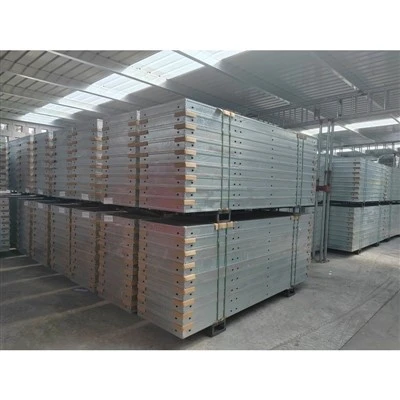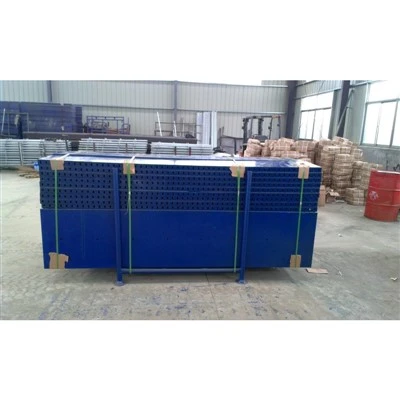
Through long-term engineering construction and maintenance, the experience accumulated regarding scaffolding often stems from adhering to safety bottom lines, refining details, and flexibly responding to site changes. Experience first reminds us that meticulous preparation before erection is more important than rushing into it. A site survey of the foundation's bearing capacity and the surrounding environment, confirming the presence of underground pipelines, drainage routes, and the impact of nearby buildings, is crucial to prevent scaffolding instability due to foundation settlement or collisions later on. Item-by-item verification of materials upon arrival is also essential. Bending, corrosion, and missing parts can be amplified into hidden dangers under load. It's better to spend more time rejecting substandard products than to bring problems onto the site.
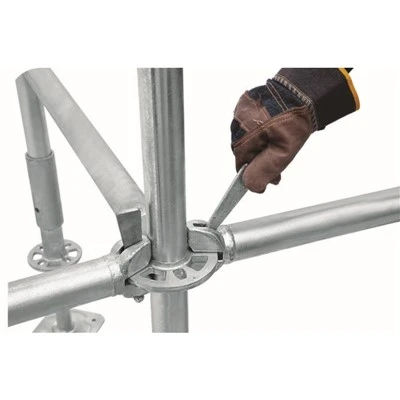
Another aspect of experience is respecting the logic of mechanics and structural principles during erection. The baseline and vertical control at the initial stage determine the overall scaffolding's posture; even slight deviations can lead to irreversible tilting after elevation. The strength and method of node connections directly affect the overall rigidity. The tightness of fasteners, the insertion depth of cup buckles, and the splicing accuracy of gantry frames should all become verifiable habits, rather than being handled arbitrarily by feel. When encountering complex sections crossing openings, corners, or uneven terrain, the arrangement of wall ties and outriggers must be precisely positioned according to the structural characteristics, ensuring that the scaffolding can reliably cooperate with the building under load, rather than bearing pressure in isolation.
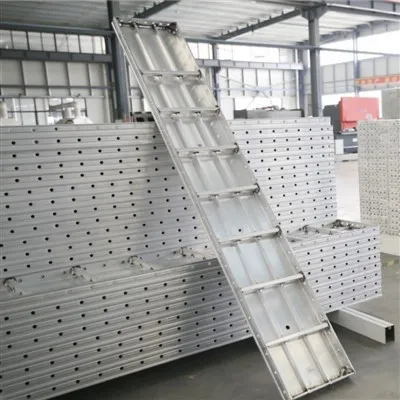
Field experience accumulated during use emphasizes continuous observation and immediate action. Scaffolding is not a one-time event once erected; daily inspections should pay attention to the deformation trend of members, signs of loosening at nodes, and water accumulation or settlement in the foundation. Changes in wind speed during high-altitude operations and temporary increases in construction loads can alter the stress state of the scaffolding. Experienced teams will reinforce or suspend work in advance, never ignoring warning signals due to rushing the project. The integrity of protective facilities also relies on experience. The fixation of scaffold boards, the height and continuity of guardrails, and the tension of safety nets all affect the effectiveness of fall prevention and object protection. Negligence in any link can weaken the protective capability at critical moments.
Experience in the dismantling phase points to reverse order and categorized management. Dismantling layer by layer from top to bottom avoids unexpected swings caused by sudden unloading of the upper load. Promptly cleaning and categorizing dismantled poles and accessories not only facilitates transportation but also creates conditions for rapid assembly in subsequent projects. The deeper value of experience lies in treating each erection, use, and dismantling as a learning loop, distilling encountered problems and improvements into transferable practices, allowing the team to continuously improve safety and operational efficiency through repetition.
These scaffolding experiences derived from practice, integrating technical knowledge and on-site intuition, not only protect personal and project safety but also ensure a more stable construction pace and more efficient resource utilization.