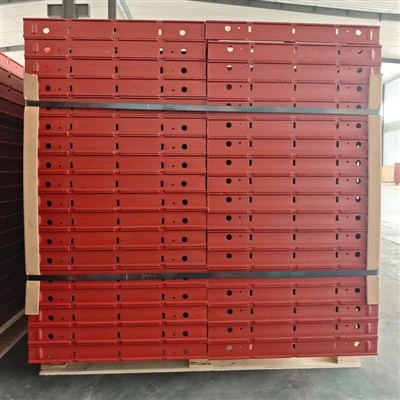
The technical standard for aluminum alloy formwork construction aims to unify the quality requirements of design, fabrication, installation, and dismantling, ensuring concrete forming accuracy, construction safety, and formwork recyclability. This standard, developed based on material characteristics and engineering practice, is applicable to formwork engineering for various cast-in-place concrete structures.
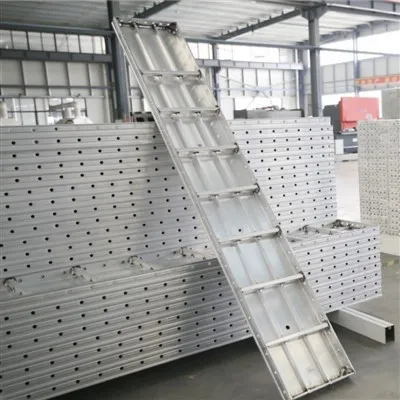
Before construction, a specific plan must be prepared based on the structural drawings, clearly defining the formwork's plan layout, support spacing, camber value, and joint construction. The bearing capacity and stiffness of components with different cross-sections and heights must be calculated separately to ensure no excessive deformation occurs under concrete pouring loads and construction live loads. The aluminum alloy material used in the formwork system should meet the corresponding grade and mechanical performance specifications. Before arrival on site, quality assurance documents must be verified, and samples must be taken for re-measurement of dimensions and surface quality. Panels with damaged oxide films or obvious deformation must be discarded.
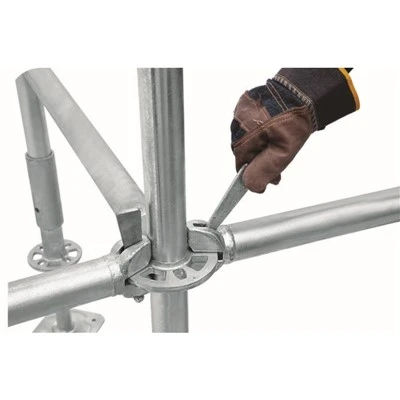
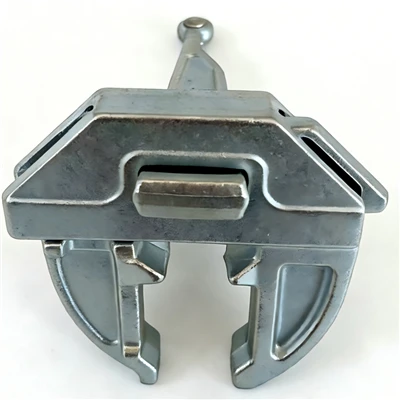
During the installation phase, dimensional accuracy and reliable connections are emphasized. Assembly should be carried out on a flat and solid supporting surface, positioned in numerical order, and the flatness of the panel surface and joint gaps should be corrected to ensure no significant misalignment between adjacent units. Connectors, latches, and tie rods should be tightened to the designed torque or preload. Double nuts can be used to prevent loosening at critical nodes. In environments with significant temperature differences, the thermal expansion and contraction of aluminum should be considered, and reasonable expansion and contraction space should be reserved to prevent connection failure or abnormal arching of the slab due to temperature changes. The support system must be erected simultaneously with the formwork. The verticality of the uprights and the setting of the horizontal tie rods should meet the stability calculation requirements, and overloading is strictly prohibited.
During concrete pouring, the placement speed and height should be controlled to avoid excessive unilateral impact loads that could cause formwork bulging or displacement. Vibration operations must avoid weak points in the formwork to reduce vibration impact on connectors. During pouring, dedicated personnel should patrol the area. Any instances of grout seepage at joints, support displacement, or abnormal sound response should be addressed immediately. If necessary, work should be suspended and reinforcement reinforced.
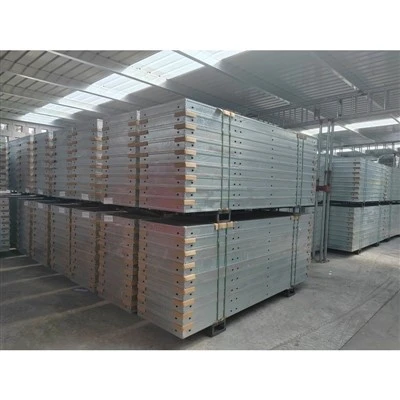
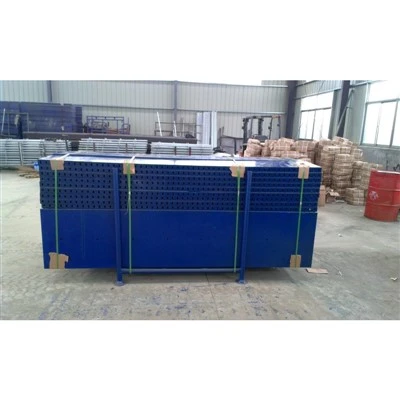
The timing of formwork removal should be determined based on the strength of specimens cured under the same conditions and the span of the component. Premature removal of supports at load-bearing parts is strictly prohibited. Formwork removal should proceed from top to bottom, starting with non-load-bearing formwork and then moving to load-bearing formwork. Use specialized tools to remove and handle formwork gently, avoiding forceful prying that could damage the surface and edges. Promptly clean any residual concrete from the removed formwork, inspect for deformation, cracks, or peeling coating, and store it according to its assigned number. Take precautions against moisture, impact, and corrosion for future reuse.
Following these construction technical requirements and specifications ensures that aluminum alloy formwork achieves the unified goals of high-precision forming, safe and reliable operation, and efficient recycling in projects.