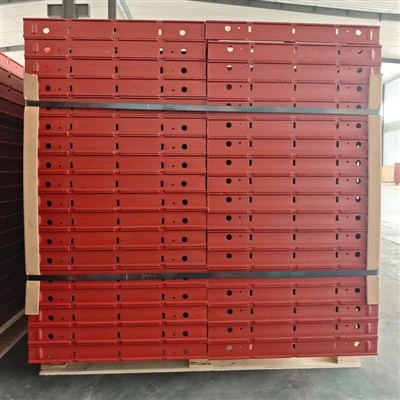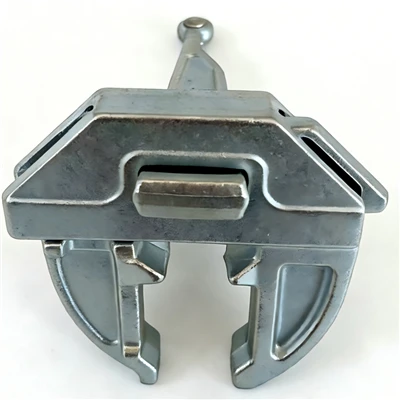
Aluminum alloy formwork is widely used in modern construction due to its advantages such as lightweight, high strength, and reusability. However, its material properties and construction environment place specific requirements on its use and maintenance. Understanding key precautions is crucial to maximizing the formwork's performance, extending its service life, and ensuring the quality of concrete molding.
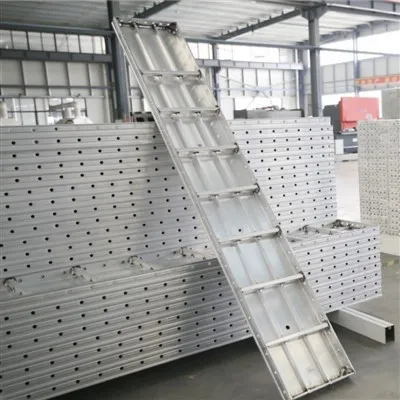
First, pay attention to material protection and surface integrity. Although aluminum alloy is corrosion-resistant, damage to the oxide film or protective coating can lead to localized corrosion in humid or polluted environments, affecting the flatness of the formwork and assembly accuracy. During construction, avoid directly striking the formwork with sharp, hard objects. Do not pry or peel it off with brute force during dismantling to prevent corner collapse or scratches. Use soft padding during handling and stacking to prevent deformation caused by mutual compression.
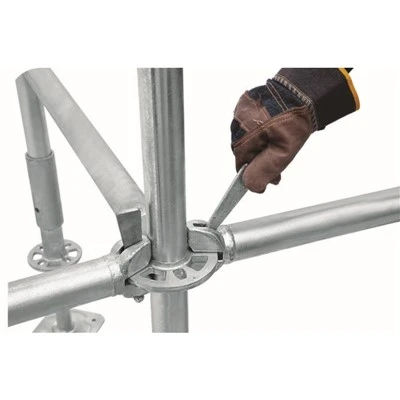
During installation, precision and stability are paramount. The assembly of aluminum alloy formwork relies on the coordination of connectors, locks, and tie rods. If bolts are not tightened or pins are not in place, displacement, grout leakage, or even formwork bursting may occur during pouring. Before assembly, check that the dimensions and hole positions of each unit match, and confirm the joints are tight and the surface is flat during trial assembly. In weather with large temperature differences, consider the thermal expansion and contraction characteristics of aluminum and allow for appropriate expansion and contraction allowances to prevent connection failure due to expansion and contraction stress.
Load and environmental control during use are equally critical. Although aluminum alloy has high strength, the support system must still be stable during concrete pouring to avoid bulging and deformation of the formwork due to excessive lateral pressure. When working near the sea or in chemical areas, salt or corrosive gases in the air will accelerate surface deterioration; therefore, the integrity of the protective coating should be strengthened and regular inspections should be conducted. After construction in rainy weather, the formwork should be cleaned and dried promptly to prevent water accumulation and pitting corrosion.
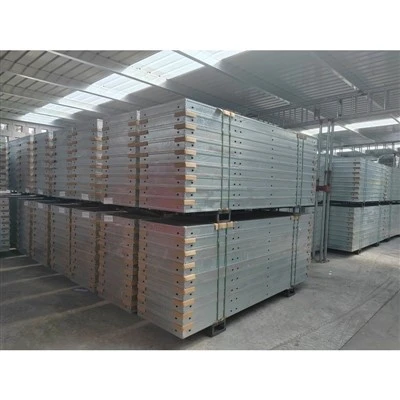
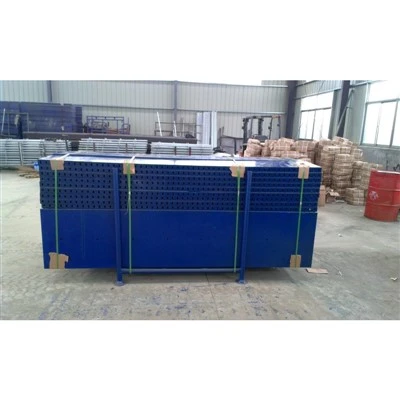
Cleaning and maintenance must be timely and standardized. After each formwork removal, remove concrete residue. Avoid using high-pressure water guns to directly spray the surface at close range, as this may wash away the oxide layer or coating. Use neutral detergents and soft tools; for stubborn adhesions, soften with a special release agent and then gently scrape. When not in use for extended periods or transferred between projects, aluminum alloy formwork should be thoroughly dried and stored in a well-ventilated, rain-proof, and moisture-proof environment. Important parts can be re-treated with protective coatings to maintain corrosion resistance.
Personnel training is also crucial. Differences in assembly and disassembly habits among different work groups can affect the lifespan of the formwork. Standardizing work procedures and clearly defining prohibited actions can reduce human-caused damage. Regularly inspect the wear of connecting parts and replace them promptly to prevent overall instability caused by the failure of small components.
By adhering to these precautions, aluminum alloy formwork can maintain stable performance and good forming results during efficient turnover, reducing maintenance costs and providing strong assurance for construction quality.