The value of scaffolding extends beyond simply providing a platform for working at heights. It permeates the entire process of construction and maintenance, providing multi-dimensional support in terms of safety, efficiency, adaptability, and sustainability. For modern construction, it is not only a creator of working conditions and a barrier to risk control, but also a booster for resource utilization and progress.
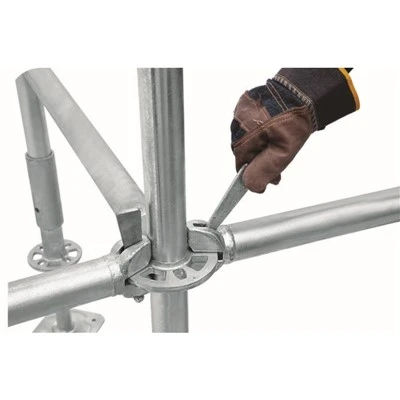
From a safety perspective, scaffolding, with its stable structure and comprehensive protective system, transforms the inherently uncertain environment of heights into a predictable and controllable working space. A rational layout of members and node connections forms a rigid frame that evenly distributes the loads of personnel and materials, resisting disturbances from wind and construction vibrations. The coordinated installation of guardrails, scaffold boards, and dense mesh netting effectively prevents falls and falling objects, providing a reliable safety baseline for high-risk work at heights. In many engineering cases, standardized scaffolding systems have significantly reduced accident rates and alleviated the pressure on on-site management.
In terms of construction efficiency, scaffolding can cover a large working area at once, allowing multiple trades to proceed in parallel at the same height without interrupting the process due to equipment switching or relocation. Its modular construction allows for rapid assembly and dismantling at predetermined intervals, reducing waiting time and repetitive labor. Some height-adjustable scaffolding systems can even automatically adjust their height according to the project progress, maintaining continuous operation and thus shortening the construction period, helping projects complete more processes within a given timeframe. For facade decoration or equipment installation requiring meticulous workmanship, a stable working platform also makes it easier to ensure workmanship quality.
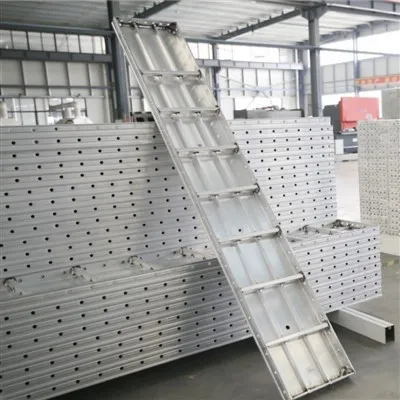
Another value of scaffolding lies in its wide adaptability. Facing different building forms, site constraints, and special environments, it can flexibly adapt through methods such as grounding, cantilevering, attachment, or mobility. From main structure construction on open sites to interior decoration in confined spaces, and even the maintenance of bridges, towers, and industrial installations, suitable erection methods can be found. Material selection can also be tailored to requirements for corrosion resistance, fire resistance, or lightweighting, using steel pipes, aluminum alloys, or composite materials, ensuring the scaffolding remains reliable even under harsh conditions.
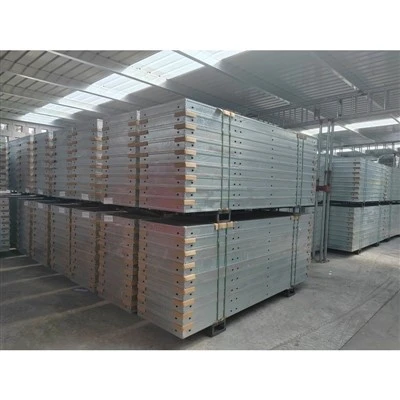
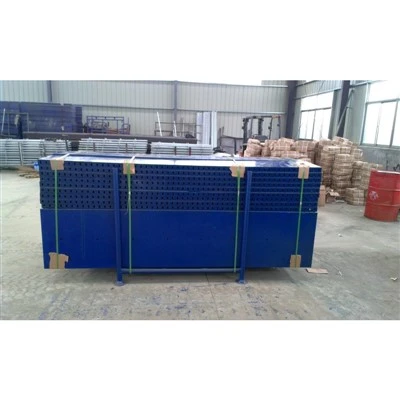
From an economic and sustainability perspective, scaffolding is mostly composed of reusable standard members and accessories, allowing a single investment to serve multiple projects and reducing the consumption of disposable materials. Proper maintenance and recycling extend its lifespan, amortizing the cost per project. Furthermore, a well-organized scaffold facilitates management and inspection, enabling timely detection and handling of potential hazards, reducing hidden losses from rework and accidents.
Therefore, the value of scaffolding lies in its integration of safety, efficiency, adaptability, and cost-effectiveness, making it an indispensable foundation for modern engineering construction and operation, providing a solid basis for high-quality, controllable, and sustainable construction operations.