Steel formwork, if maintained scientifically throughout its service life, can not only have its lifespan extended but also maintain stable forming effects and construction safety. The core of daily maintenance lies in cleaning, rust prevention, inspection, and proper storage. These interconnected steps determine the reliability of the formwork across multiple uses.
After each demolding, promptly remove any residual concrete slurry and debris from the surface. Use a soft scraper or a high-pressure water gun to gently rinse, avoiding scratching the panel coating with hard objects. For firmly bonded cement blocks, soak them in water to soften them before cleaning to prevent damage to the metal surface. After cleaning, allow the formwork to air dry or wipe it dry to prevent moisture from remaining; this is the first step in rust prevention.
Rust prevention maintenance should become a consistent habit. The conventional method is to brush or spray a mixture of special rust-preventive oil and release agent, which not only blocks contact with air and moisture but also facilitates subsequent demolding. During rainy or humid seasons, the curing cycle should be shortened, and intermediate coats should be applied if necessary. If the formwork is not used for an extended period, the surface should be covered with moisture-proof paper or plastic film and stored in a dry warehouse to minimize direct contact with moisture.
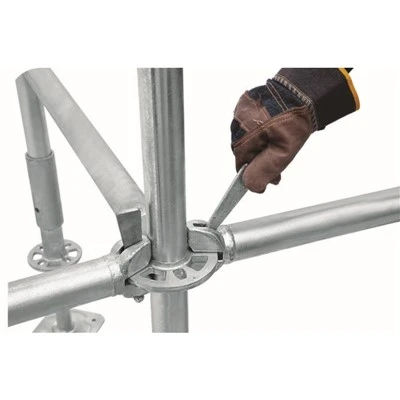
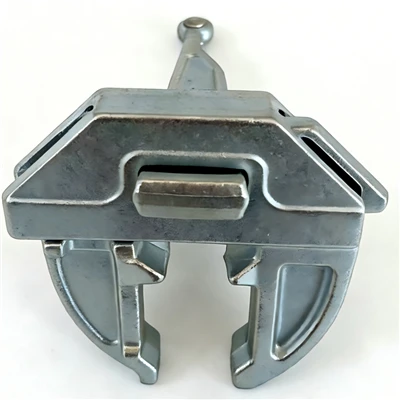
Daily inspections are essential. Pay close attention to welds, connection holes, and corners for deformation, cracks, or spreading rust. Ensure bolts and clamps are tight and flexible. If localized rust spots are found, promptly grind them off and apply a protective coating. If dents or warping occur, repair them before reuse to prevent uneven stress and potential construction hazards. Inspections should also record the number of times the formwork has been used and its condition to provide a basis for replacement and obsolescence.
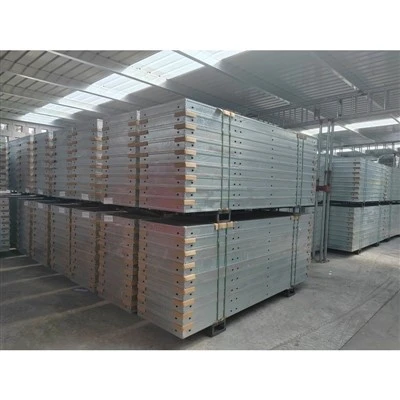
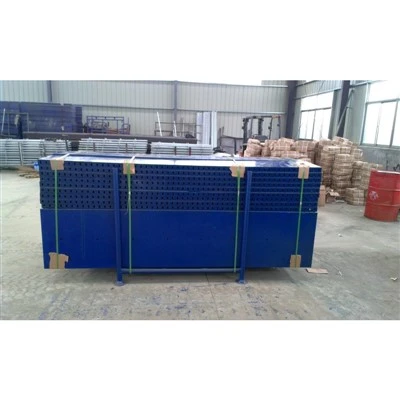
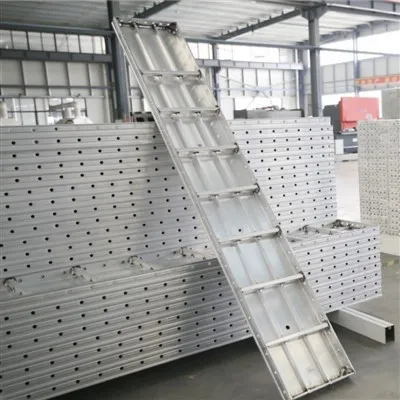
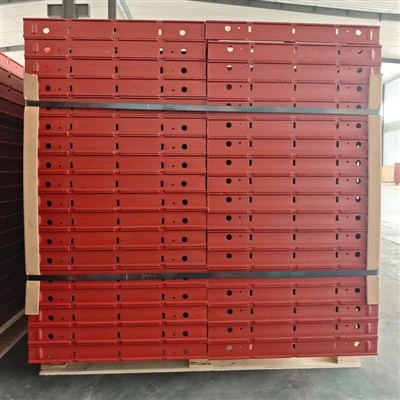
Storage and handling also fall under the scope of care. Formwork should be stacked in layers, with wooden strips or rubber pads between layers to prevent damage to the paint film from mutual compression. Avoid throwing or applying force to a single point during handling to prevent structural deformation. When temporarily storing outdoors, choose a high and dry location and cover with a rainproof tarpaulin to reduce direct sunlight and rain erosion.
Daily maintenance of steel formwork may seem trivial, but it is the foundation for ensuring construction quality and economic benefits. A meticulous cleaning, timely rust prevention, and a thorough inspection, accumulated over time, can keep the formwork as solid as new even after repeated use, continuously providing a smooth and precise forming surface for the construction site.