The performance of scaffolding directly determines its safety, efficiency, and applicability during construction and maintenance. Its core performance is mainly reflected in load-bearing capacity, stability, adaptability, and durability. These indicators are interrelated and together form the cornerstone of reliable scaffolding operation.
I. Load-Bearing Capacity
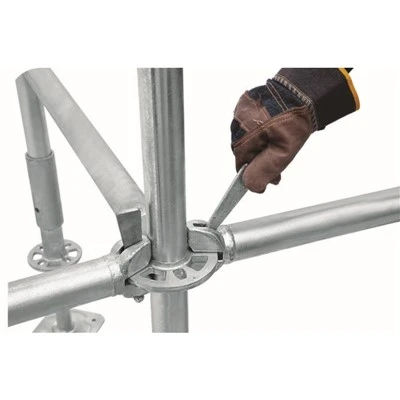
Load-bearing capacity is the primary performance characteristic of scaffolding, referring to the maximum load it can safely withstand under specified conditions, including the weight of construction workers, the weight of tools, material stacking, and potential impact loads. Steel pipe scaffolding, due to its high cross-sectional stiffness and material strength, can withstand large concentrated and uniformly distributed loads (example data: the design load of commonly used coupler-type steel pipe scaffolding is approximately 2~3 kN/m², and a safety margin should be allowed in actual construction). Cup-lock and portal scaffolding have good node rigidity and uniform overall stress distribution, making them suitable for heavy-duty operations. The quality of load-bearing capacity depends on the specifications of the members, their spacing, and the quality of the node connections.
II. Stability
Stability refers to the scaffolding's ability to prevent tilting, slippage, or overall instability under load and environmental conditions. It forms a spatial rigid frame through a rational arrangement of members, utilizing the axial restraint of the uprights and the lateral resistance of the horizontal members to suppress lateral deformation. Wind loads, construction vibrations, or asymmetrical loading will test its anti-overturning ability; therefore, during erection, it is necessary to ensure a solid foundation, proper placement of wall ties or diagonal braces, and control the height-to-width ratio according to specifications to improve overall stability.
III. Adaptability
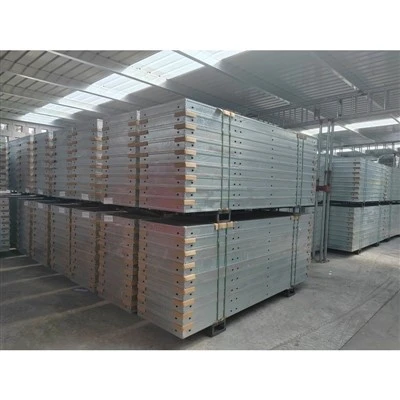
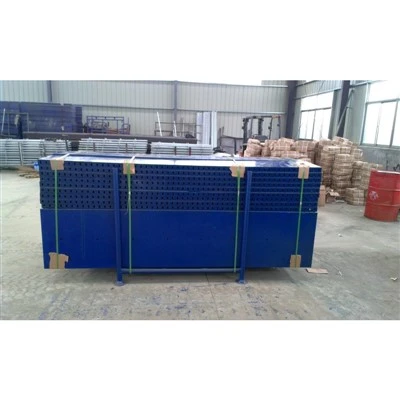
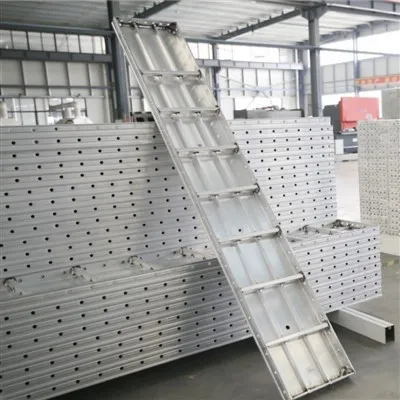
Adaptability is reflected in the degree to which the scaffolding matches different engineering forms and operational requirements. Modular members can be flexibly assembled according to the building outline; coupler-type members are suitable for complex shapes; portal frames are suitable for large-area planes; and lightweight aluminum alloy frames facilitate movement in confined indoor spaces. Special forms such as cantilever and attached lifting provide continuous working surfaces for bridges and high-rise exterior walls, demonstrating its adaptability under special working conditions.
IV. Durability
Durability relates to the scaffolding's lifespan and safety in repeated use and different environments. Steel pipes treated with an anti-rust coating can delay corrosion; aluminum alloys have strong corrosion resistance and are suitable for humid or chemical environments; wear-resistant materials are used for connectors to reduce the risk of loosening from repeated disassembly and assembly. Regular inspection and maintenance can maintain material performance, extend the number of uses, and reduce overall costs.
V. Safety and Protection Performance
In addition to load-bearing capacity and stability, the scaffolding's outer guardrails, toe boards, and safety nets form a three-dimensional fall protection system, effectively reducing the risk of falls from heights and falling objects. Anti-loosening and anti-slip designs at joints and acceptance procedures during construction further solidify its inherent safety performance.
Overall, the scaffolding's load-bearing capacity, stability, adaptability, durability, and safety protection performance support each other, enabling it to reliably function in various projects and making it a key piece of equipment for achieving efficient and safe high-altitude operations.