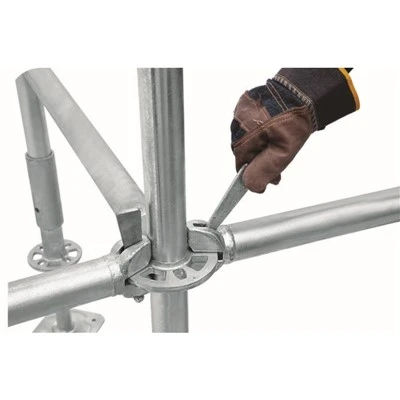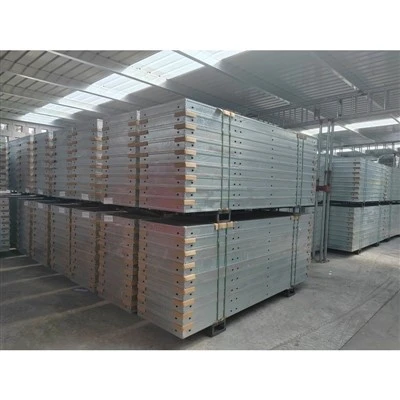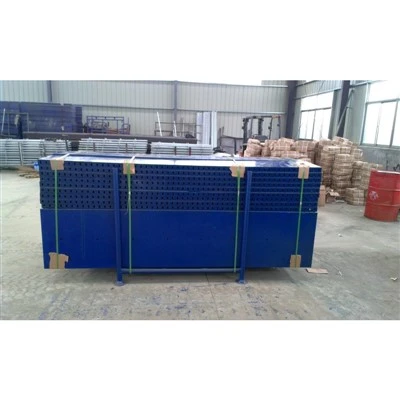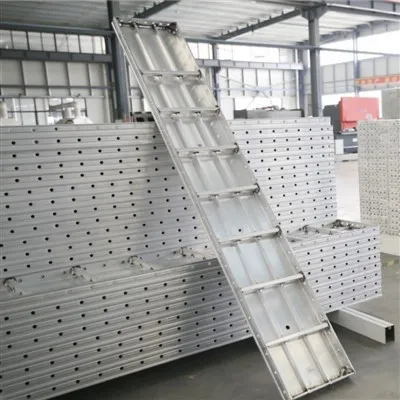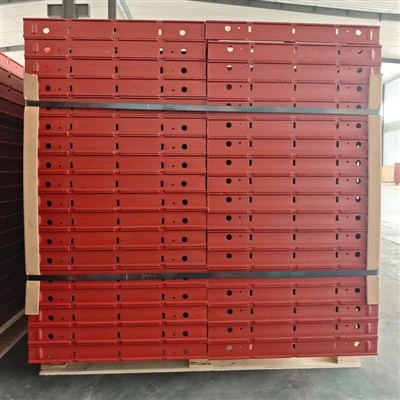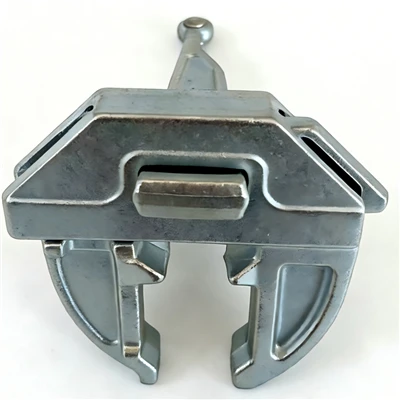
The rise and expansion of the formwork accessory industry is deeply rooted in the transformation and upgrading of modern construction methods. In the past, formwork was mostly used through piecemeal assembly and haphazard on-site fixing, resulting in limited understanding of the functions of accessories, a small variety of related products, and low standardization. With the advancement of industrialized construction and green building, construction methods have shifted from extensive to intensive, and formwork systems have gradually developed towards complete sets, high precision, and high turnover. This change has transformed accessories, originally considered auxiliary, into core elements ensuring system safety and efficiency, propelling the industry onto a path of rapid development.
Against the macro backdrop, the continuous advancement of infrastructure and urbanization construction has brought about large-scale engineering demands, especially the increase in high-rise buildings, bridges, tunnels, and prefabricated structures, placing higher demands on the reliability of formwork systems. Simultaneously, rising labor costs and increased pressure on construction schedules have prompted construction companies to seek solutions that can be quickly assembled, reused, and with controllable errors. The standardized design and superior performance of formwork accessories perfectly meet this demand. The global advocacy for low-carbon construction has also led to wider acceptance of recyclable, long-life aluminum alloy and steel formwork and their supporting accessories, opening up new market opportunities for the industry.
Within the industry, technological advancements and a more complete supply chain have driven quality improvements and product diversification. The widespread adoption of CNC machining, precision casting, and surface strengthening processes has significantly improved the precision and durability of connecting, fastening, and adjusting components. Advances in materials science have enabled products to maintain strength while achieving lightweight construction, facilitating transportation and high-altitude operations. Strengthened upstream and downstream collaboration has formed a relatively complete chain, from profile production to component manufacturing and on-site services, ensuring stable supply and promoting customized and differentiated innovation.
The practical significance of the formwork component industry lies in its provision of stable joints and flexible links for modern formwork systems, directly impacting construction safety, quality, and efficiency. Reliable connectors reduce assembly errors and prevent grout leakage during pouring; adjustable and supporting components overcome on-site foundation deviations, ensuring accurate dimensional precision; and highly durable designs extend turnaround times and reduce overall operating costs. These benefits not only improve the completion rate of individual projects but also play a fundamental supporting role in driving quality transformation and green development in the construction industry.
It can be said that the formwork accessories industry was born from the evolution of construction methods, and in turn, it empowers more efficient, safer, and more environmentally friendly construction practices. Its development trajectory and practical value will continue to exert a profound influence on the construction field.