The widespread use of scaffolding in construction, decoration, and maintenance stems from its numerous outstanding advantages. These advantages are reflected in improved work efficiency and safety, as well as its flexibility, adaptability, and economic practicality, making it an indispensable support platform on construction sites.
I. Providing a Stable Platform for Working at Heights
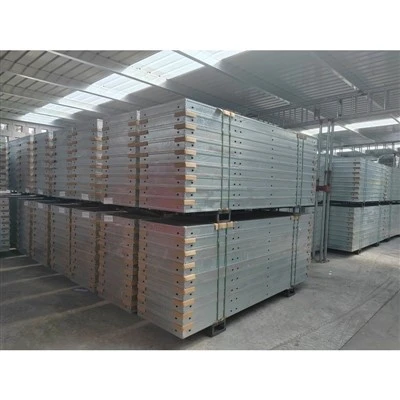
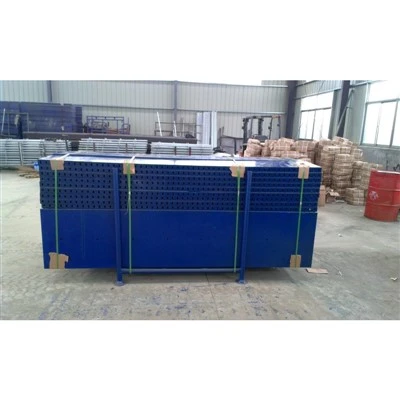
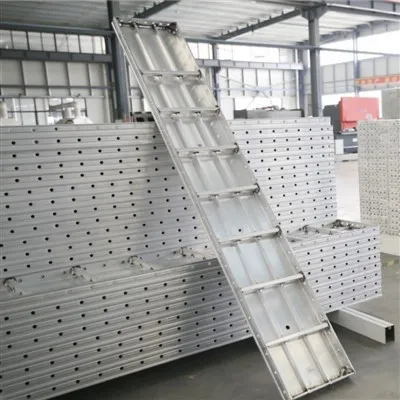
The most obvious advantage of scaffolding is transforming high-altitude work into a safe environment close to the ground. Through a rigid frame composed of uprights, horizontal bars, and footboards, it provides construction workers with a flat and stable foothold, avoiding the risks of swaying or imbalance due to lack of support. In processes such as concrete pouring, exterior wall painting, and curtain wall installation, this stable platform significantly improves operational precision and continuity, reducing time lost due to repeated climbing or moving (Example data: Standard footboard width is mostly 240-300mm, which can meet the needs of single-person and tool-side operations).
II. Adapting to Various Engineering Forms and Needs
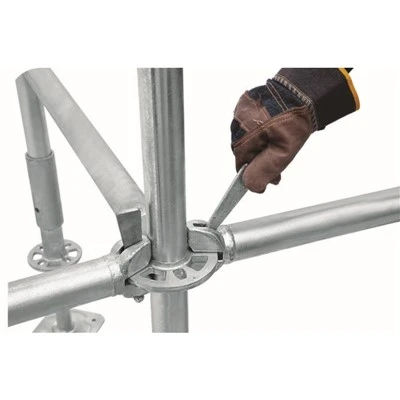
Scaffolding is assembled from standardized components and can be flexibly arranged according to building outlines, construction height, and load requirements. Different types of scaffolding, such as coupler-type, cup-lock type, portal type, and lightweight aluminum alloy scaffolding, can handle various scenarios including heavy loads, large areas, narrow spaces, or frequent disassembly and assembly. For example, cantilevered or attached lifting scaffolding can be used for the facade of high-rise buildings, rising with each floor, while lightweight and movable scaffolding can be used for interior decoration to reduce site occupation. This high adaptability allows the same system to serve the entire process from the main structure to the detailed decoration.
III. Combining Load-Bearing and Safety Protection Functions
Scaffolding not only bears the loads of personnel and materials, but also forms a three-dimensional protection through guardrails, toe boards, and safety nets, effectively preventing falling objects and personnel. Its structural design ensures that the load is evenly distributed along the uprights to the foundation or main building, reducing the probability of localized damage. In the maintenance of special structures such as bridges and towers, specialized scaffolding can also complete high-altitude maintenance without affecting the use of the main structure, expanding the boundaries of safe operation.
IV. Reusable, Reducing Overall Costs
High-quality steel pipe or aluminum alloy scaffolding, after proper maintenance, can be disassembled and assembled multiple times without significantly weakening its performance. Once invested, scaffolding can be reused across multiple projects, reducing the frequency of material purchases. Furthermore, its high erection and dismantling efficiency shortens the construction period, reduces labor and management costs, and aligns with the principles of green construction and resource conservation.
V. Enhancing Construction Efficiency and Quality
A stable working platform and a rational layout allow workers to concentrate on the process itself, without the distraction of fall prevention or frequent repositioning. This contributes to increased construction speed and finished product quality. Especially in large-scale operations requiring multi-person collaboration, the standardized grid of scaffolding facilitates seamless workflow and material transfer.
Overall, scaffolding, with its advantages of stability and safety, flexibility and adaptability, comprehensive protection, recyclability, and efficiency and quality assurance, has become a crucial guarantee for high-altitude operations and complex processes in modern engineering construction.