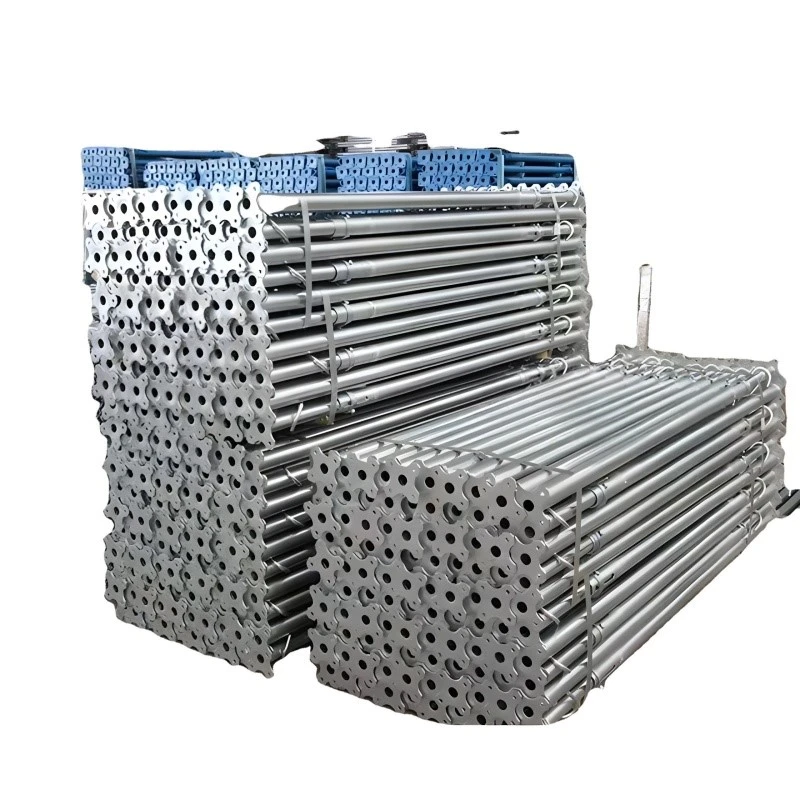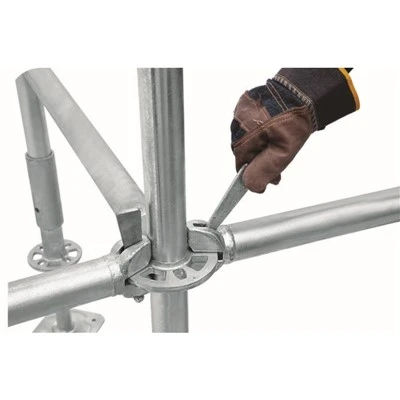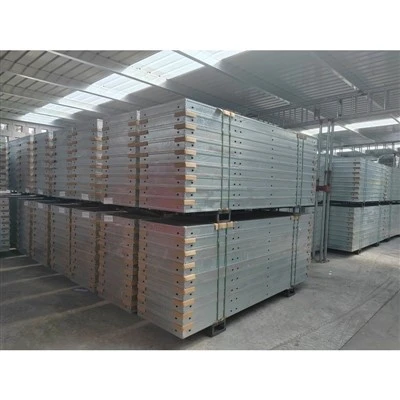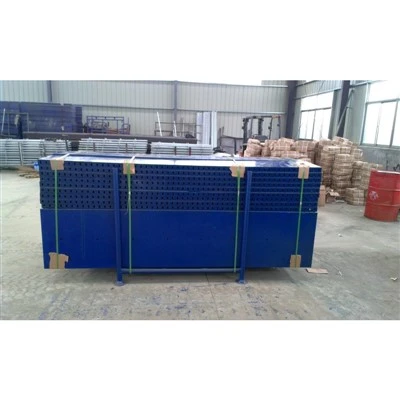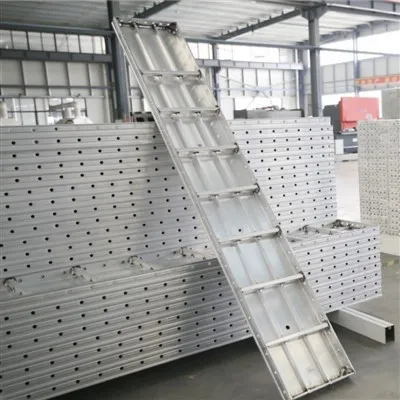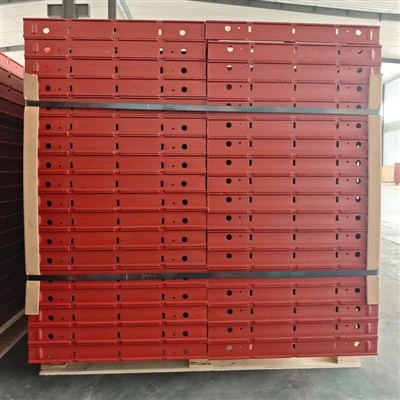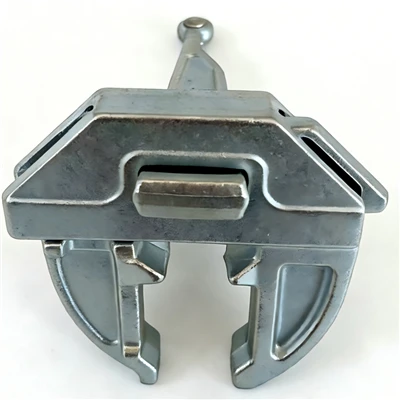
Although individual formwork components are small in size, they play a multidimensional driving role in the construction industry chain, contributing to its connectivity, stability, and efficiency.They are not only technical nodes in the formwork system but also key media connecting design, manufacturing, and construction. Their industrial value is reflected in multiple aspects, including ensuring project quality, improving construction efficiency, promoting resource conservation, and driving industry upgrading.
In terms of project quality, formwork components are responsible for eliminating weak links in the system. Connectors and fasteners ensure the overall airtightness and positional stability of the assembled panels, reducing the risks of formwork bulging, grout leakage, and displacement during pouring. Adjustable components and supporting aids compensate for minor deviations in the foundation and dimensions on site, ensuring that the concrete molding contour precisely matches the design intent. This stable and reliable function directly reduces rework rates and quality defects, improves structural safety and durability, and provides a fundamental support for project quality.
In terms of construction efficiency, the standardized and universal design of components significantly reduces on-site assembly time. Workers can quickly select components based on clear interfaces and specifications, reducing mis-assembly and waiting. Combined with prefabrication numbering and information-based construction rehearsals, efficient assembly line operations are achieved. Lightweight and wear-resistant properties extend the number of turnovers, reduce replacement frequency and material replenishment delays, enabling projects to continue progressing continuously during tight schedules or high-altitude operations. This is crucial for controlling labor and equipment costs.
In terms of resource conservation and green construction, high-performance components extend the service life of the formwork system, reducing material consumption and waste rates per use. Repairable surface strengthening processes and corrosion-resistant treatments allow metal resources to maintain performance through multiple cycles, reducing energy consumption in new material mining and processing. Some companies are introducing recycled aluminum and low-carbon steel to manufacture components, further aligning with the construction industry's carbon reduction goals and injecting sustainable development momentum into the industrial chain.
In terms of industrial upgrading, technological iteration of components drives collaborative innovation across upstream and downstream sectors. The application of precision manufacturing, CNC machining, and intelligent testing improves product consistency and traceability, promoting a shift in formwork system management from experience-driven to data-driven. Industry standards and certification systems established around component performance also provide references for manufacturing enterprises to improve their R&D and management levels, driving the entire industrial chain towards high-end and branded development.
It is evident that the industrial value of formwork accessories lies not only in their functional realization, but also in their role as a crucial fulcrum for enhancing the safety, economy, and sustainability of construction systems. They play a cohesive and amplifying role among various links in the industrial chain, providing solid support for the high-quality development of the modern construction industry.